Armstrong Maple
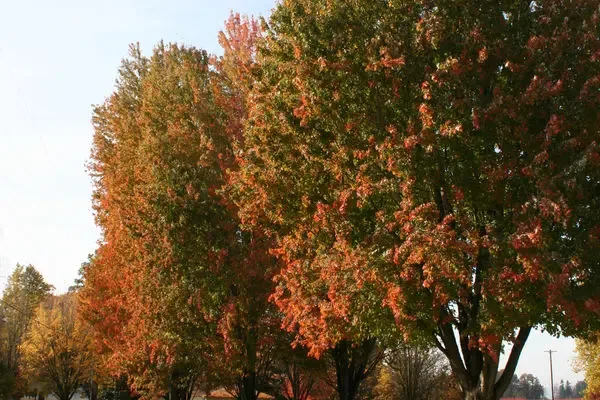
Armstrong maple is a narrow, upright shade tree valued for its strong central leader, fast growth, and tidy form. It performs well in Colorado landscapes, making it a good option for tight spaces where vertical growth and dependable shade are needed without a wide canopy.
Quick specifications
- Mature Height
- 40–50 ft
- Mature Spread
- 15–20 ft
- Growth Rate
- Moderate to fast
- Sun
- Full sun preferred for best form and color
- Water
- Requires consistent deep watering during establishment
- Soil
- Benefits from mulch and soil improvement in heavy clay
- Hardiness
- 40–60+ years with proper care
- Genus
- Maple (Acer)
Identification
Species
Leaf detail
Structure
Overview
Armstrong maple is a narrow, upright shade tree valued for its strong central leader, fast growth, and tidy form. It performs well in Colorado landscapes, making it a good option for tight spaces where vertical growth and dependable shade are needed without a wide canopy.
Key Characteristics
- Mature Size: 40–50 ft tall | 15–20 ft wide
- Growth Rate: Moderate to fast
- Form: Narrow, upright, columnar
- Fall Color: Orange-red to red
- Lifespan: 40–60+ years with proper care
Colorado Growing Conditions
Narrow form ideal for smaller yards and parkways
Better heat tolerance than many traditional maples
Stronger structure than silver maple
Performs well in urban landscapes when watered correctly
Planting Considerations
- Full sun preferred for best form and color
- Allow vertical clearance for mature height
- Requires consistent deep watering during establishment
- Benefits from mulch and soil improvement in heavy clay
Common Problems
- Iron chlorosis in alkaline soils
- Leaf scorch during hot, dry summers
- Stress-related decline if irrigation is inconsistent
Best Use Scenarios
- Narrow planting strips and parkways
- Small front yards needing vertical shade
- Street trees with limited horizontal space
Related Services
Related Resources
When you want a professional opinion
The Root exists to help you understand your landscape. When a tree needs hands-on evaluation, a Great Western arborist can look at it in person.