
Chokecherry Canada Red
Prunus virginiana
Canada Red Chokecherry is a standout ornamental tree known for its rich burgundy foliage, spring white blossoms, and excellent cold-hardiness. Well-suited for Colorado landscapes, it offers strong seasonal color, moderate size, and reliable performance on the Front Range when planted in full sun with good drainage.
Quick specifications
- Mature Height
- 25–30 ft
- Mature Spread
- 20–25 ft
- Growth Rate
- Moderate
- Sun
- Full sun to partial shade; best color in full sun
- Water
- Moderate water needs once established
- Soil
- Requires good drainage; avoid chronically wet soils
- Hardiness
- 40–60+ years under Front Range conditions
Identification
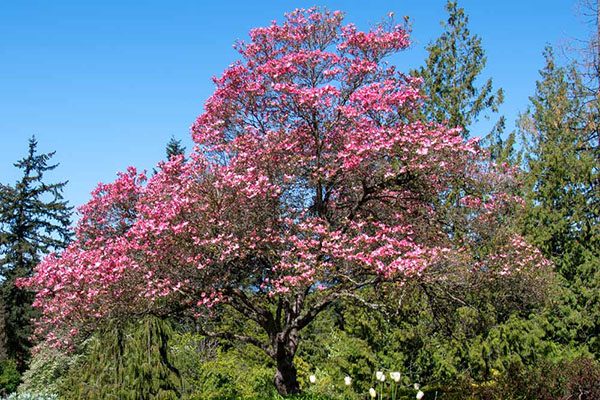
Species
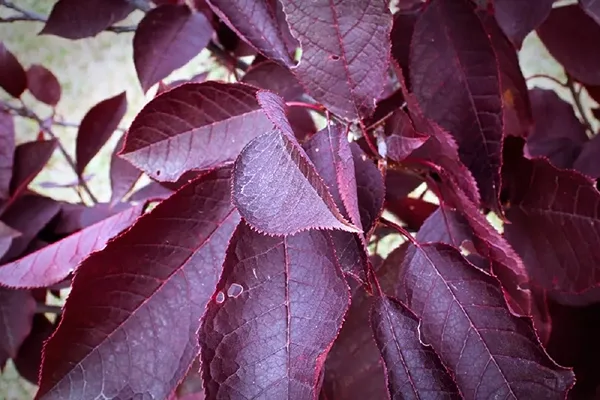
Leaf detail
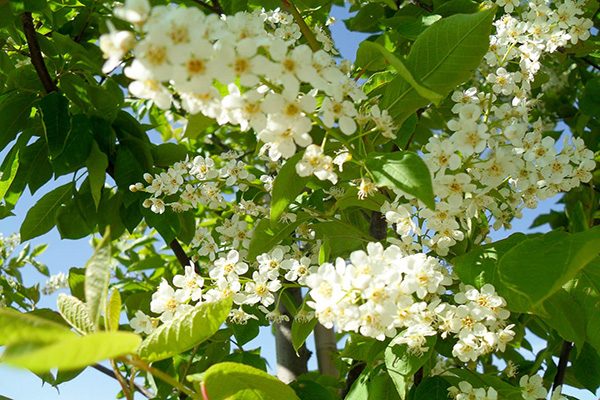
Flower
Overview
Canada Red Chokecherry is a standout ornamental tree known for its rich burgundy foliage, spring white blossoms, and excellent cold-hardiness. Well-suited for Colorado landscapes, it offers strong seasonal color, moderate size, and reliable performance on the Front Range when planted in full sun with good drainage.
Key Characteristics
- Mature Size: 25–30 ft tall | 20–25 ft wide
- Growth Rate: Moderate
- Form: Upright oval to rounded, often multi-stem
- Flower Color: White (spring)
- Foliage: Green emerging, turning deep burgundy-red
- Fruit: Small dark berries
- Lifespan: 40–60+ years under Front Range conditions
Colorado Growing Conditions
Excellent cold hardiness and wind tolerance
Adapts well to alkaline soils common along the Front Range
Distinctive red foliage provides season-long color
Native-adjacent species with good wildlife value
Planting Considerations
- Full sun to partial shade; best color in full sun
- Requires good drainage; avoid chronically wet soils
- Moderate water needs once established
- Can sucker—monitor if single-stem form is desired
Common Problems
- Tent caterpillars and aphids occasionally
- Black knot in stressed or crowded plantings
- Leaf scorch during extreme drought
Best Use Scenarios
- Front-yard ornamentals and small shade trees
- Windy or exposed Front Range sites
- Wildlife-friendly landscapes
- Naturalized or native-style plantings
Related Services
Related Resources
When you want a professional opinion
The Root exists to help you understand your landscape. When a tree needs hands-on evaluation, a Great Western arborist can look at it in person.