Pinyon Pine
Pinus edulis
Pinyon pine trees are uniquely suited to Colorado’s climate, thriving in dry conditions, intense sun, and rocky soils where many other trees struggle. Native to the region, they are extremely drought-tolerant, cold-hardy, and well adapted to elevation changes. With their compact form and evergreen needles, pinyon pines provide year-round color and character while requiring less water and maintenance than many larger pine species.
Quick specifications
- Mature Height
- 20–40 ft
- Mature Spread
- 15–25 ft
- Growth Rate
- Slow
- Sun
- Full sun required for proper growth• Avoid overwatering; prefers very dry conditions
- Water
- Full sun required for proper growth• Avoid overwatering; prefers very dry conditions
- Hardiness
- 200+ years under good conditions
- Genus
- Pine (Pinus)
Identification
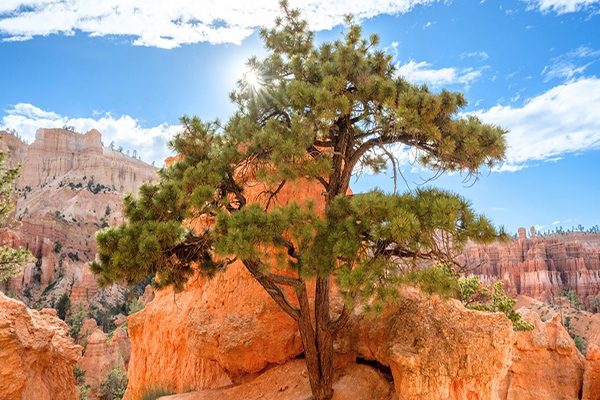
Species
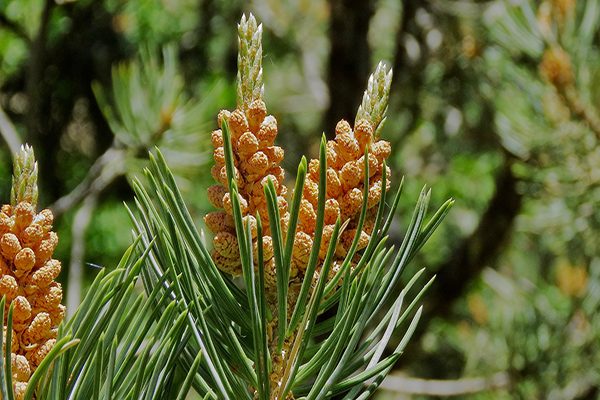
Bud
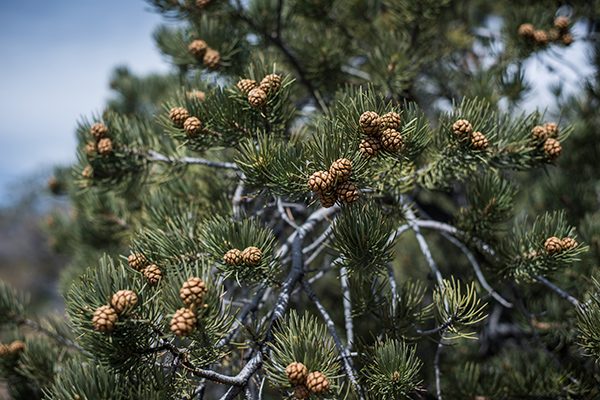
In the field
Overview
Pinyon pine trees are uniquely suited to Colorado’s climate, thriving in dry conditions, intense sun, and rocky soils where many other trees struggle. Native to the region, they are extremely drought-tolerant, cold-hardy, and well adapted to elevation changes. With their compact form and evergreen needles, pinyon pines provide year-round color and character while requiring less water and maintenance than many larger pine species.
Key Characteristics
- Mature Size: 20–40 ft tall | 15–25 ft wide
- Growth Rate: Slow
- Form: Dense, rounded evergreen
- Needles: Short, stiff blue-green needles
- Lifespan: 200+ years under good conditions
Colorado Growing Conditions
Native to Colorado and extremely drought tolerant
Excellent performance in dry, rocky, and alkaline soils
Strong wind and cold tolerance once established
Low water requirements compared to most evergreens
Planting Considerations
- Full sun required for proper growth• Avoid overwatering; prefers very dry conditions
- Slow establishment—patience required
- Do not plant in irrigated turf areas
Common Problems
- Ips bark beetles when stressed by irrigation or drought
- Root issues if planted in heavy, wet soils
- Generally low disease pressure in dry sites
Best Use Scenarios
- Xeric and low-water landscapes
- Foothills and exposed Front Range sites
- Native and naturalized plantings
- Long-term evergreen structure in dry areas
Related Services
Related Trees
Related Resources
When you want a professional opinion
The Root exists to help you understand your landscape. When a tree needs hands-on evaluation, a Great Western arborist can look at it in person.