Ponderosa Pine
Pinus ponderosa
Ponderosa pine trees are a classic Colorado native, well adapted to high elevation, intense sun, wind, and wide temperature swings. They are drought-tolerant once established, resilient in poor soils, and known for their tall, open form and distinctive bark. As evergreens, ponderosa pines provide year-round structure and a strong, natural presence across the Front Range and mountain landscapes.
Quick specifications
- Mature Height
- 60–100 ft
- Mature Spread
- 30–50 ft
- Growth Rate
- Moderate
- Sun
- Full sun required for best growth and structure• Needs ample space away from buildings and utilities
- Water
- Avoid overwatering; prefers deep, infrequent irrigation
- Soil
- Mulch lightly and keep soil well-drained
- Hardiness
- 300+ years under good conditions
- Genus
- Pine (Pinus)
Identification
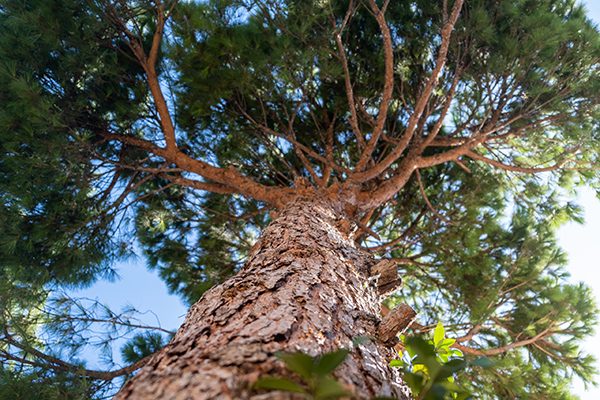
Species
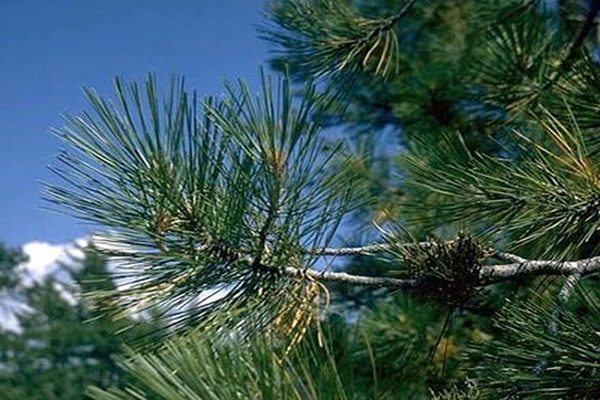
Needle detail
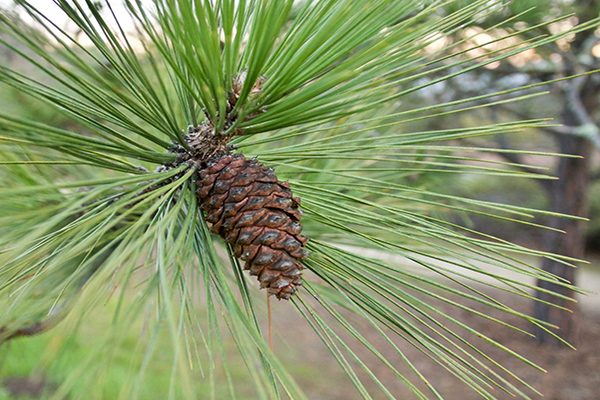
Cone
Overview
Ponderosa pine trees are a classic Colorado native, well adapted to high elevation, intense sun, wind, and wide temperature swings. They are drought-tolerant once established, resilient in poor soils, and known for their tall, open form and distinctive bark. As evergreens, ponderosa pines provide year-round structure and a strong, natural presence across the Front Range and mountain landscapes.
Key Characteristics
- Mature Size: 60–100 ft tall | 30–50 ft wide
- Growth Rate: Moderate
- Form: Upright evergreen with open, irregular crown
- Needles: Long, dark green needles in bundles of three
- Lifespan: 300+ years under good conditions
Colorado Growing Conditions
Native to Colorado and extremely well adapted to Front Range conditions
Excellent drought, wind, and cold tolerance once established
Performs well in poor, rocky, or sandy soils
Long-lived evergreen providing year-round structure and screening
Planting Considerations
- Full sun required for best growth and structure• Needs ample space away from buildings and utilities
- Avoid overwatering; prefers deep, infrequent irrigation
- Mulch lightly and keep soil well-drained
Common Problems
- Ips bark beetles in drought-stressed trees
- Needle diseases under prolonged moisture or poor airflow
- Root issues if planted in poorly drained or overwatered sites
Best Use Scenarios
- Large residential properties and acreage
- Windbreaks and naturalized landscapes
- Foothills and higher-elevation Front Range sites
- Long-term native tree plantings
Related Services
Related Trees
Related Resources
When you want a professional opinion
The Root exists to help you understand your landscape. When a tree needs hands-on evaluation, a Great Western arborist can look at it in person.