Redbud
Redbud trees bring early spring color with bright pink-purple blooms that appear before the leaves. Their compact size, graceful form, and heart-shaped foliage make them an excellent ornamental choice for smaller yards and residential landscapes.
Quick specifications
- Mature Height
- 20–30 ft
- Mature Spread
- 20–30 ft
- Growth Rate
- Moderate
- Sun
- Full sun to partial shade; afternoon shade preferred
- Water
- Consistent watering during establishment is critical
- Soil
- Requires well-drained soils; avoid heavy, wet clay pockets
- Hardiness
- 25–40+ years under Front Range conditions
Identification
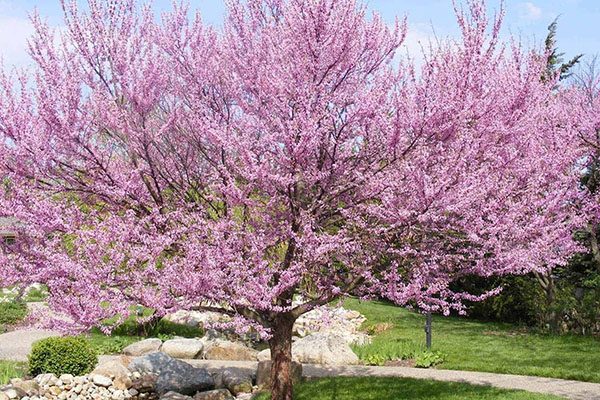
Species
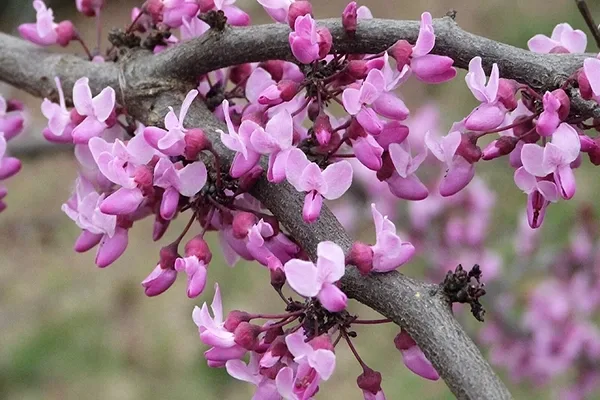
Leaf detail
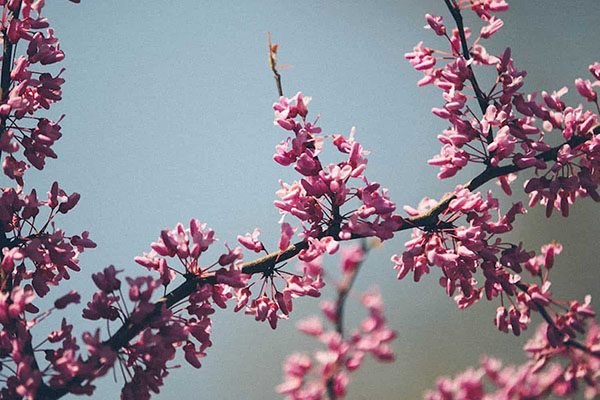
Structure
Overview
Redbud trees bring early spring color with bright pink-purple blooms that appear before the leaves. Their compact size, graceful form, and heart-shaped foliage make them an excellent ornamental choice for smaller yards and residential landscapes.
Key Characteristics
- Mature Size: 20–30 ft tall | 20–30 ft wide
- Growth Rate: Moderate
- Form: Rounded to spreading, often multi-stem
- Flower Color: Pink to purple (early spring)
- Fall Color: Yellow
- Lifespan: 25–40+ years under Front Range conditions
Colorado Growing Conditions
Outstanding early-spring flowers before leaf-out
Compact size fits smaller residential landscapes
Performs best in protected Front Range sites
Adds ornamental diversity beyond pears and crabapples
Planting Considerations
- Full sun to partial shade; afternoon shade preferred
- Requires well-drained soils; avoid heavy, wet clay pockets
- Consistent watering during establishment is critical
- Mulch root zone to moderate soil temperature
Common Problems
- Winter dieback in exposed or poorly sited locations
- Branch breakage from snow load if poorly structured
- Leaf scorch during hot, dry summers
Best Use Scenarios
- Protected residential yards
- Front-yard ornamental plantings
- Accent tree near patios and entryways
- Landscapes prioritizing early spring color
Related Services
Related Resources
When you want a professional opinion
The Root exists to help you understand your landscape. When a tree needs hands-on evaluation, a Great Western arborist can look at it in person.