Conifer Trees
Species-by-species pest and disease calendars for conifer trees on the Colorado Front Range. Each guide covers seasonal timing, symptoms, treatment and when a problem is cosmetic.
10 conifer trees
- 01
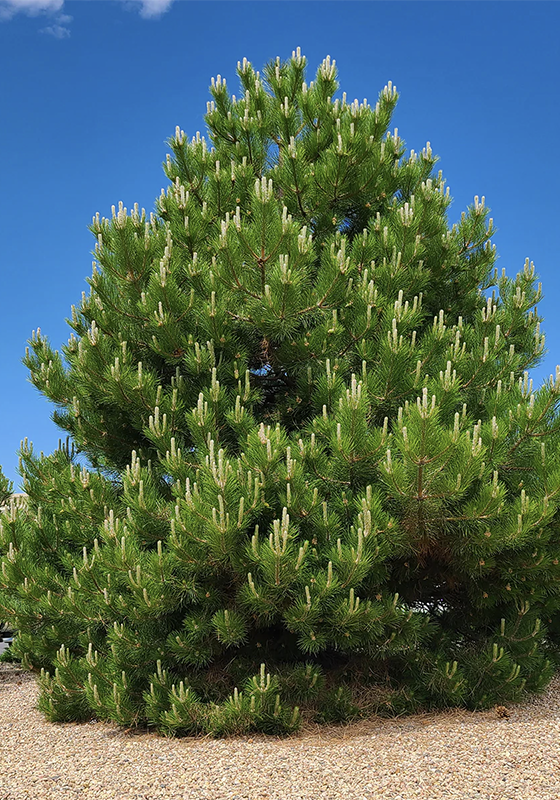
Austrian Pine
Pinus nigra6 tracked problems
A hardy, widely planted ornamental pine in Colorado known for long dark-green needles and strong wind tolerance. Austrian Pine performs well in alkaline soils but is highly susceptible to Dothistroma needle blight, Zimmerman pine moth, needle scale, and drought-related decline.
- 02
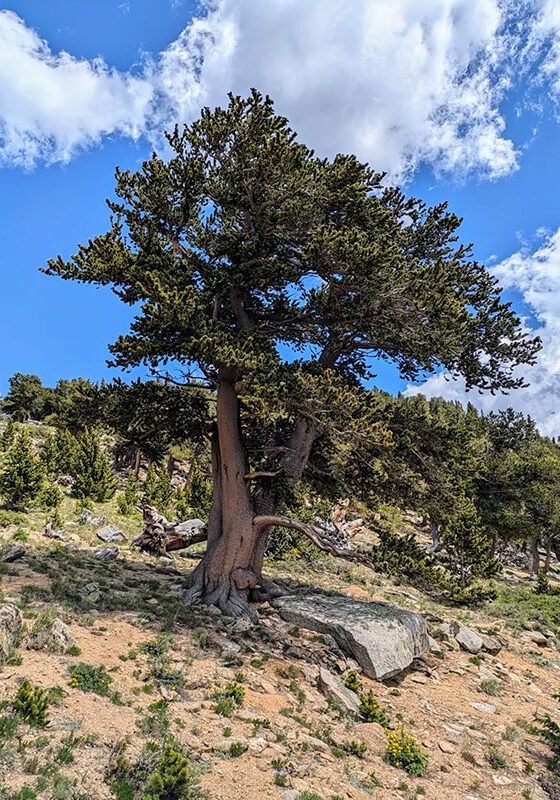
Bristlecone Pine
Pinus aristata6 tracked problems
An iconic Colorado native pine known for its extremely long lifespan, slow growth, and distinctive resin flecks (“white speckles”) on needles. Bristlecone Pine is highly drought-tolerant but can be affected by needle cast, blister rust, bark beetles, subalpine woolly aphid, and stress from poor soils or overwatering.
- 03
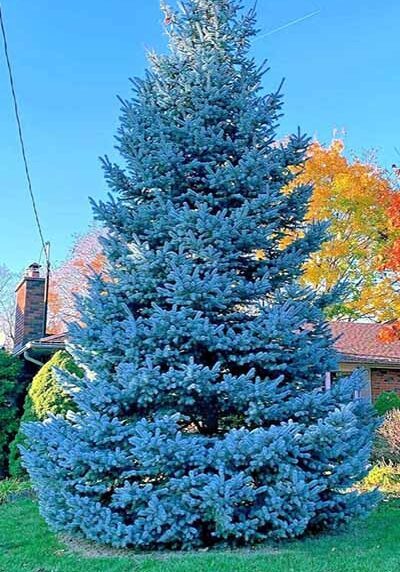
Colorado Blue Spruce
Picea pungens5 tracked problems
Evergreen conifer with stiff, blue-gray needles. Prefers full sun. Commonly stressed in Colorado’s dry, urban environments, which increases vulnerability to pests and diseases.
- 04
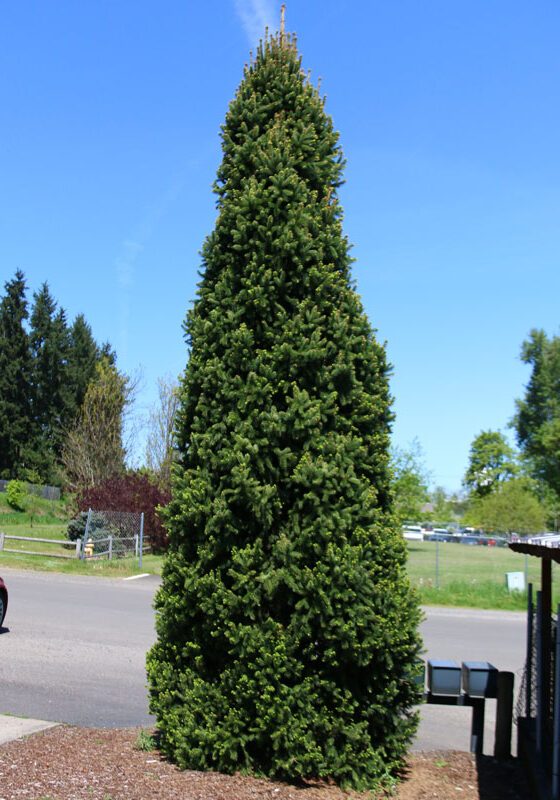
Columnar Spruce
Picea spp. — Colorado Blue, Norway, Serbian & Hybrid Columnar Forms6 tracked problems
Columnar spruces are narrow, upright evergreens prized for year-round structure, dense foliage, and small footprint, making them ideal for screening or tight urban spaces. In Colorado, they face the same pressures as their species counterparts: mites, aphids, needle cast, canker, and environmental stress from heat and drought.
- 05
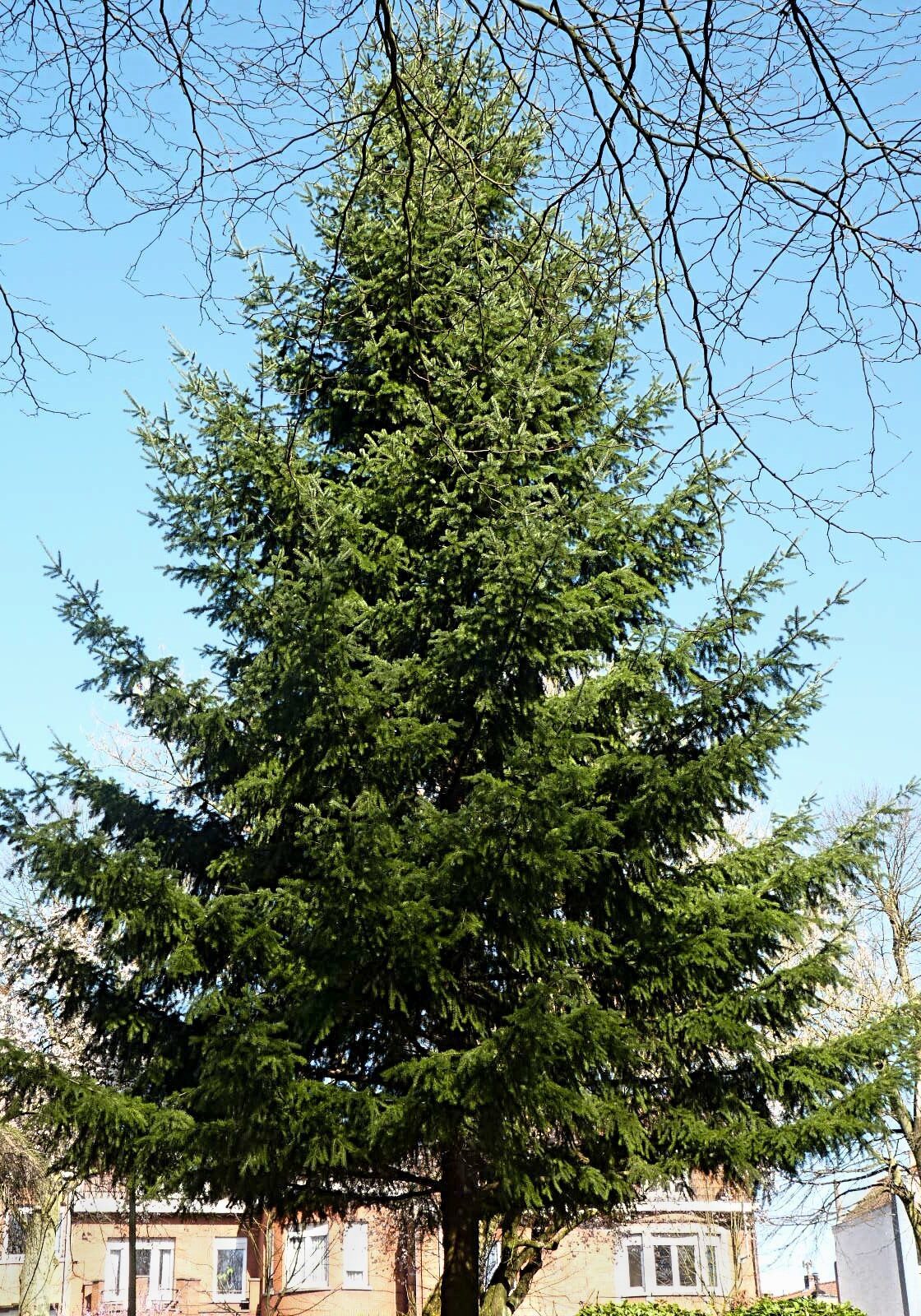
Douglas Fir
Pseudotsuga menziesii7 tracked problems
Evergreen conifer common in Colorado foothills and mountain landscapes. Despite its name, it is not a true fir. Douglas-fir is moderately drought-tolerant but susceptible to needle cast diseases, bark beetles, and stress-related decline in urban environments.
- 06
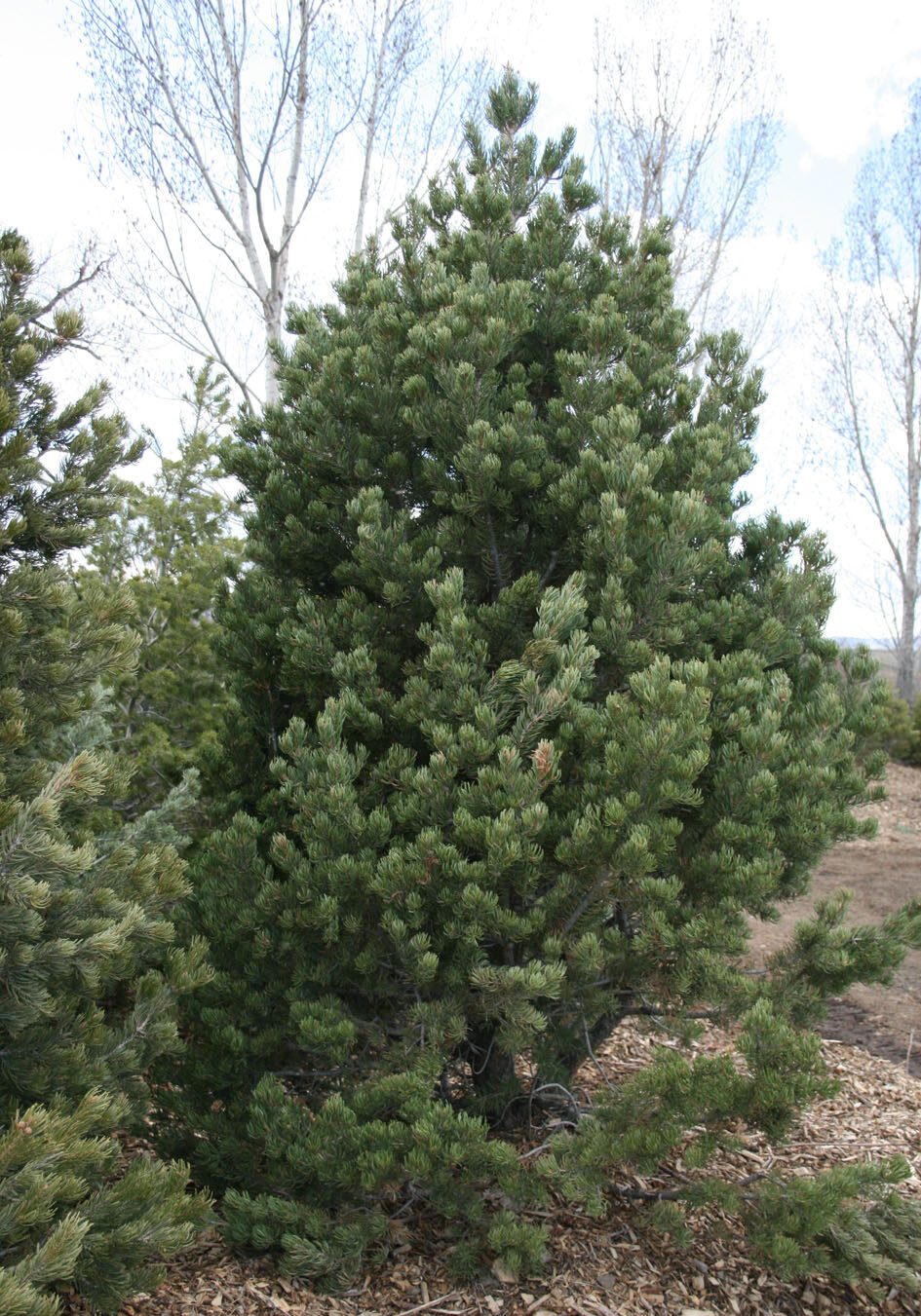
Piñon Pine
Pinus edulis — Colorado Piñon; includes singleleaf pinyon P. monophylla in some regions6 tracked problems
Piñon Pine is a native, drought-tolerant evergreen that thrives in dry, rocky soils of Colorado’s foothills and plains. Its biggest threats include piñon ips beetle, scale, needle cast, bark diseases, and environmental stress—especially prolonged drought. Ips beetle is the most serious concern.
- 07
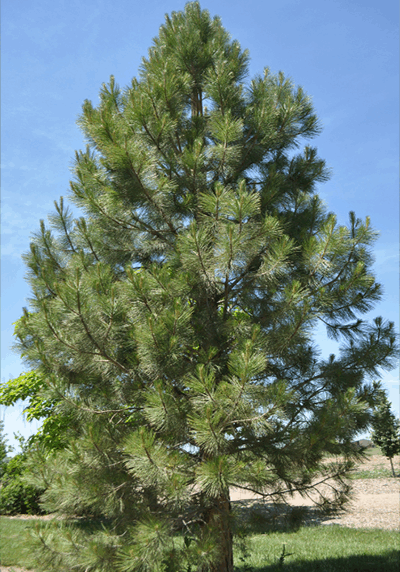
Ponderosa Pine
Pinus ponderosa7 tracked problems
Large native pine common across Colorado’s foothills and dry landscapes. Very drought-adapted but vulnerable to mountain pine beetle, pine sawfly, needle cast, and environmental stress in urban settings.
- 08
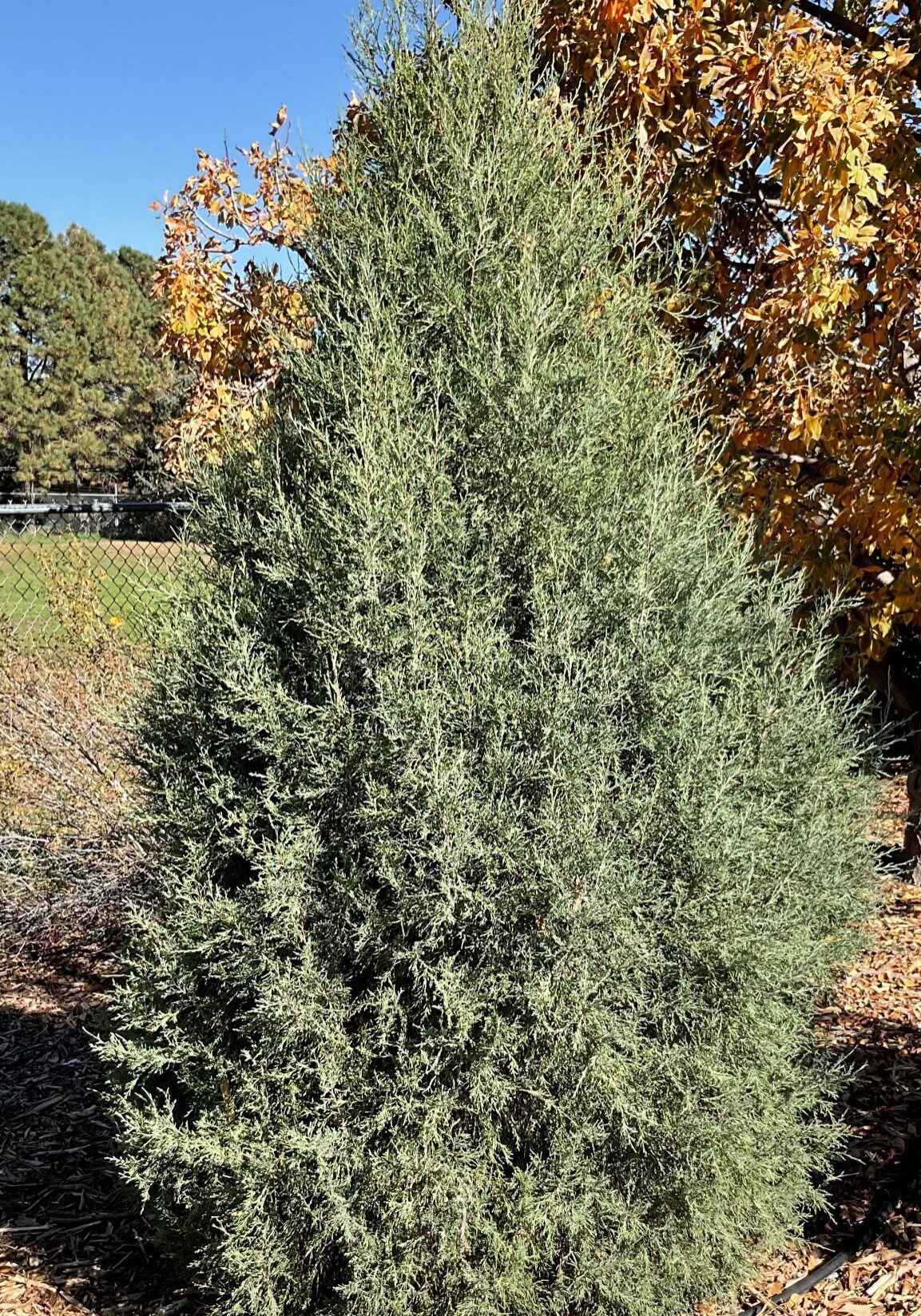
Rocky Mountain Juniper
Juniperus scopulorum6 tracked problems
A hardy native evergreen found throughout Colorado’s foothills and high plains. Highly drought-tolerant and long-lived, Rocky Mountain Juniper is susceptible to juniper scale, cedar–apple rust, twig blights, bark beetles, and root decline from poor drainage.
- 09
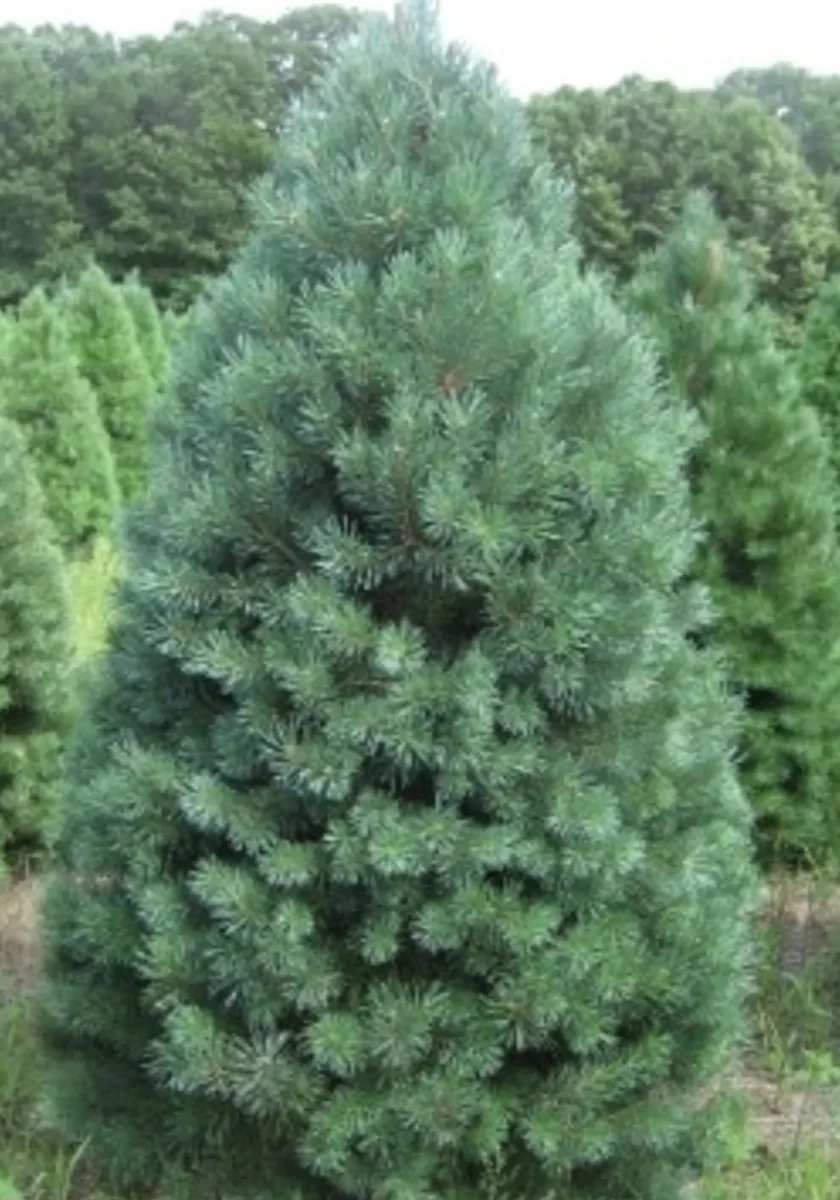
Scotch Pine
Pinus sylvestris6 tracked problems
A widely planted landscape pine recognized by its orange upper bark and short twisted needles. Scotch Pine grows well in Colorado but is highly vulnerable to Zimmerman pine moth, Diplodia tip blight, pine wilt nematode, needle scale, and drought stress.
- 10
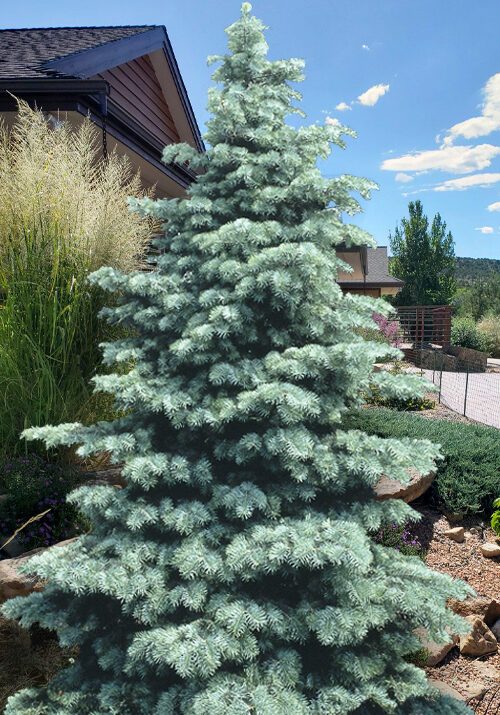
White Fir
Abies concolor6 tracked problems
A popular ornamental conifer in Colorado valued for its soft blue-green needles and strong resistance to many pests. While generally hardy, White Fir is susceptible to bark beetles, twig beetles, needle cast diseases, and root stress in compacted or poorly drained soils.
When you want a professional opinion
The Root exists to help you understand your landscape. When a tree needs hands-on evaluation, a Great Western arborist can look at it in person.