Deciduous Trees
Species-by-species pest and disease calendars for deciduous trees on the Colorado Front Range. Each guide covers seasonal timing, symptoms, treatment and when a problem is cosmetic.
35 deciduous trees
- 01
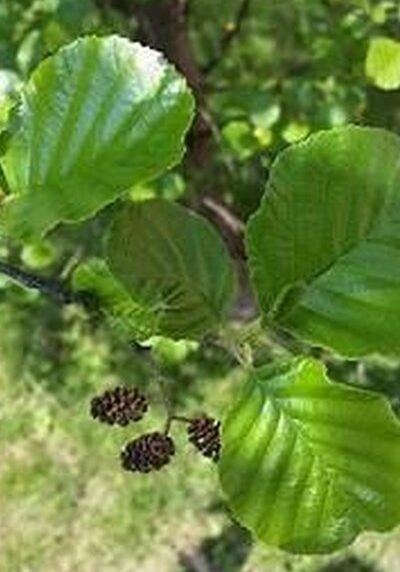
Alder
Alnus spp. — European Alder, Red Alder, Thinleaf Alder7 tracked problems
Alders are moisture-loving deciduous trees valued for their fast growth, catkins, and attractive bark. In Colorado, they struggle in hot, dry, alkaline environments and are prone to borers, leaf miners, aphids, canker diseases, and leaf spot. They perform best in cooler, irrigated locations with well-drained but moist soil.
- 02
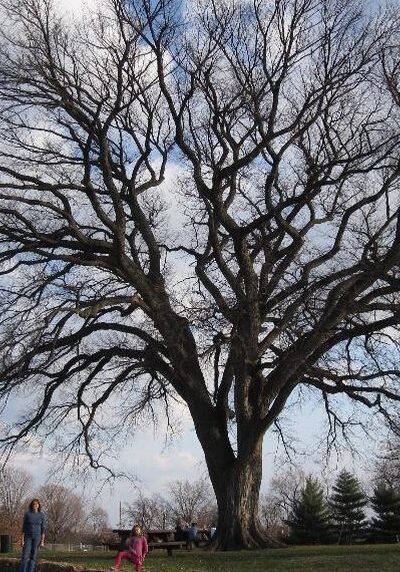
American Elm
Ulmus americana — modern disease-resistant hybrids7 tracked problems
American Elms are prized for their classic vase shape and excellent shade. Modern varieties planted in Colorado (e.g., ‘Princeton,’ ‘Valley Forge,’ ‘New Harmony’) have resistance—not immunity—to Dutch Elm Disease (DED). They are also susceptible to elm leaf beetle, elm leaf miner, aphids, scale, and environmental stress in compacted urban soils.
- 03
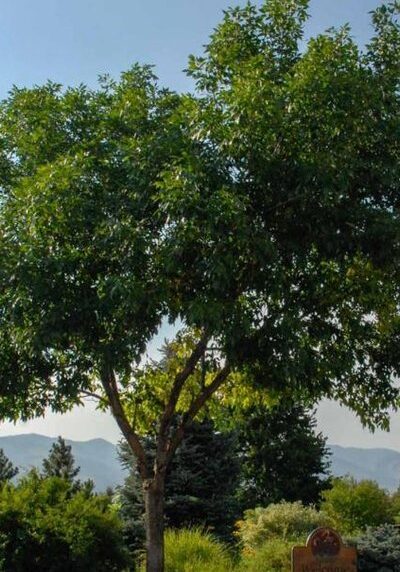
Ash
Fraxinus spp.8 tracked problems
Deciduous shade tree common in Colorado landscapes. Ash are highly vulnerable to borers— especially Emerald Ash Borer (EAB)—as well as several native borers, fungal leaf issues, and environmental stress.
- 04
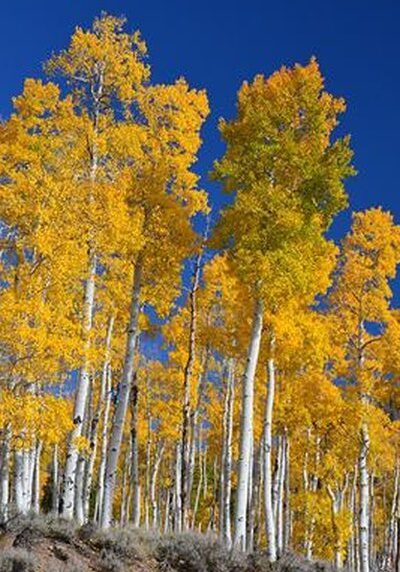
Aspen
Populus tremuloides – Quaking Aspen8 tracked problems
Aspen is one of Colorado’s most iconic native trees. In mountain settings it thrives, but in Front Range landscapes it often struggles due to heat, alkaline soils, poor drainage, and pest pressure. Common issues include leaf spots, borers, cankers, suckering, and environmental stress.
- 05
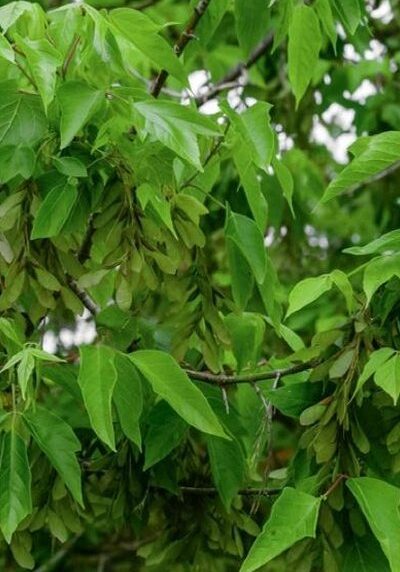
Boxelder
Acer negundo — also called Ash-leaf Maple7 tracked problems
Boxelder is a fast-growing, drought-tolerant maple often considered “weedy,” but it remains common across Colorado. It is prone to breakage, borers, boxelder bugs, leaf spots, and environmental stress in urban soils. Despite this, it can survive harsh conditions where many other species fail.
- 06
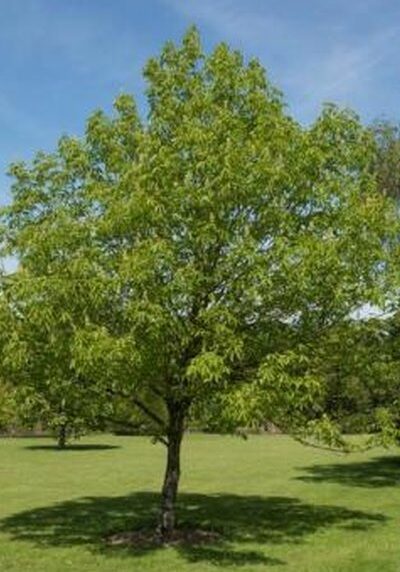
Buckeye
8 tracked problems
(Aesculus spp.) — Ohio Buckeye, Red Buckeye, Yellow Buckeye, Hybrid Horsechestnuts Buckeyes are admired for their showy spring flowers, bold palmate leaves, and distinctive nuts. In Colorado, they perform moderately well but can struggle with leaf scorch, leaf blotch, mildew, borers, aphids, and environmental heat stress. Ohio Buckeye and hybrid types tend to handle Colorado’s climate better than European Horsechestnut.
- 07
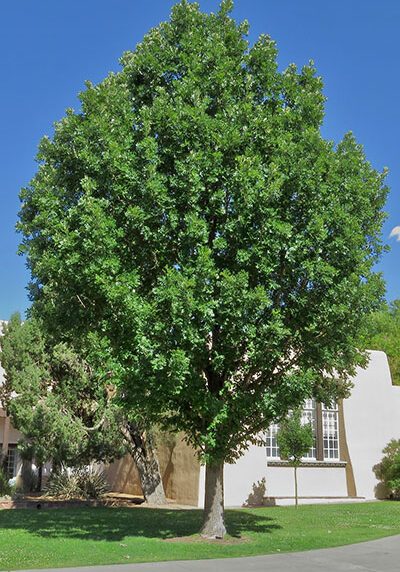
Bur Oak
Quercus macrocarpa8 tracked problems
Bur Oak is one of the toughest and most adaptable oaks for Colorado. It tolerates drought, alkaline soils, pollution, and harsh winters better than most other oak species. While generally resilient, it can experience issues with Kermes scale, gall wasps, two-lined chestnut borer, oak wilt (rare), and chlorosis in extreme soil conditions.
- 08
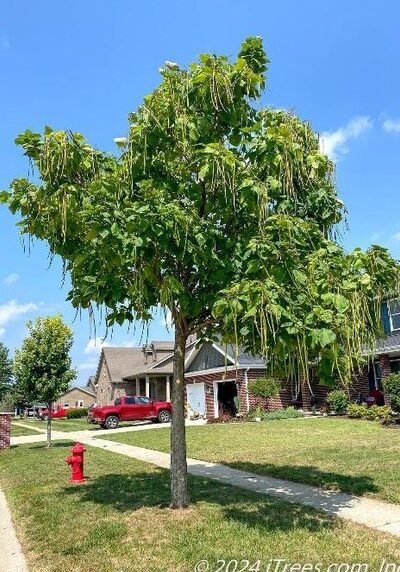
Catalpa
Catalpa speciosa – Northern Catalpa; Catalpa bignonioides – Southern Catalpa7 tracked problems
Catalpa is a hardy, fast-growing ornamental tree known for its huge heart-shaped leaves, showy white flowers, and long bean-like seed pods. In Colorado, Catalpa is generally resilient but can experience issues with leaf spots, canker diseases, borers, mildew, and environmental stress in compacted soils.
- 09
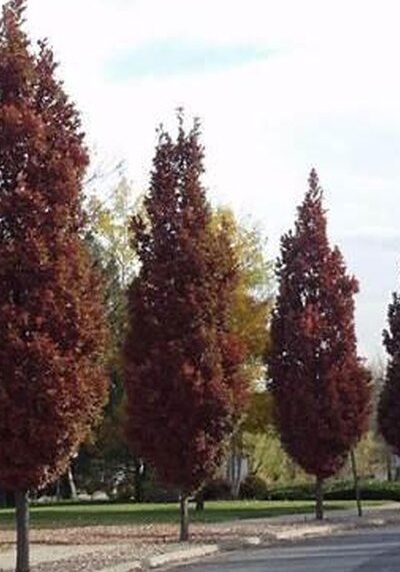
Columnar Oak
Quercus spp. — Columnar English Oak, Crimson Spire Oak, Regal Prince Oak, Fastigiate Hybrids7 tracked problems
Columnar Oaks are prized for their narrow, upright form, strong structure, and tolerance to many Colorado soils. They resist many major oak pests but can experience oak anthracnose, tubakia leaf spot, scale, borers, gall wasps, and environmental scorch during hot, dry summers.
- 10
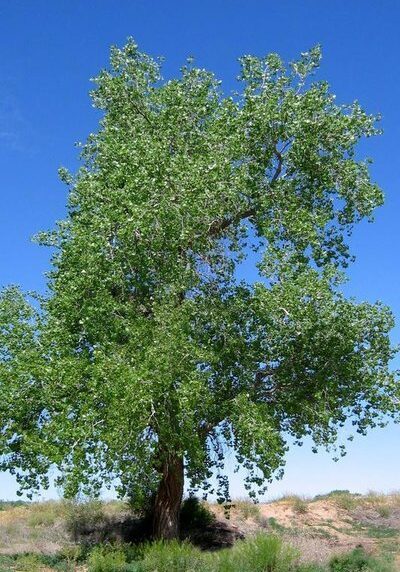
Cottonwood
Populus deltoides – Plains Cottonwood; Populus fremontii – Fremont Cottonwood; Populus angustifolia – Narrowleaf Cottonwood8 tracked problems
Cottonwoods are some of the fastest-growing, most drought-tolerant shade trees in Colorado. They are extremely hardy but prone to branch breakage, borers, cankers, leaf spots, and root-related issues due to their aggressive root systems and sensitivity to soil compaction.
- 11
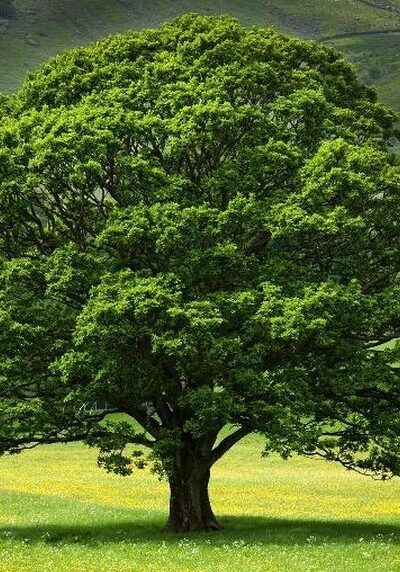
English Oak
Quercus robur — includes cultivars like ‘Fastigiata,’ ‘Crimson Spire,’ ‘Skyrocket,’ and other hybrids8 tracked problems
English Oak is a stately, long-lived tree valued for its strong structure and adaptability. In Colorado, it performs better than most red oaks in alkaline soils but may still struggle with drought, iron chlorosis, scale insects, and leaf diseases. Columnar cultivars are especially popular in urban landscapes.
- 12
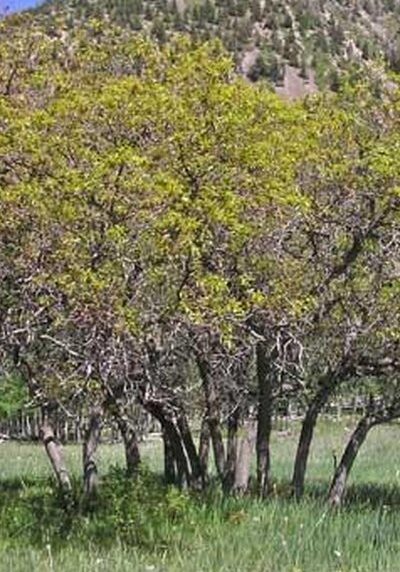
Gambel Oak
Quercus gambelii — also called Scrub Oak or Rocky Mountain Oak7 tracked problems
A hardy, drought-tolerant native oak found throughout Colorado’s foothills and mountains. Gambel Oak commonly grows in clonal thickets and is extremely resilient, but it can experience issues with oak leaf blister, leaf spot, gall wasps, Kermes scale, borers, and dieback from drought or fire suppression changes.
- 13
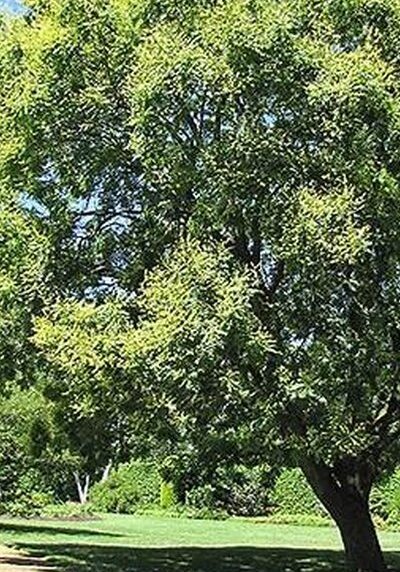
Golden Rain Tree
Koelreuteria paniculata — includes ‘September,’ ‘Fastigiata,’ and other ornamental selections6 tracked problems
Golden Rain Tree is a small to medium ornamental tree known for its showy yellow midsummer flowers, attractive lantern-like seed pods, and high tolerance of heat, drought, and urban soils. It performs quite well in Colorado, though it can experience leaf spot, borers, scale, and occasional environmental scorch.
- 14
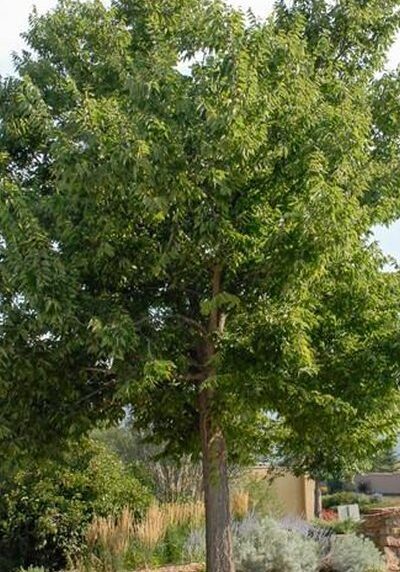
Hackberry
Celtis occidentalis — Common Hackberry8 tracked problems
Hackberry is one of the hardiest and most reliable shade trees for Colorado. It tolerates drought, alkaline soils, wind, urban pollution, and temperature extremes. While generally low-maintenance, Hackberry can experience nipplegall psyllids, witches’ broom, scale, leaf spots, and occasional borer or canker issues.
- 15
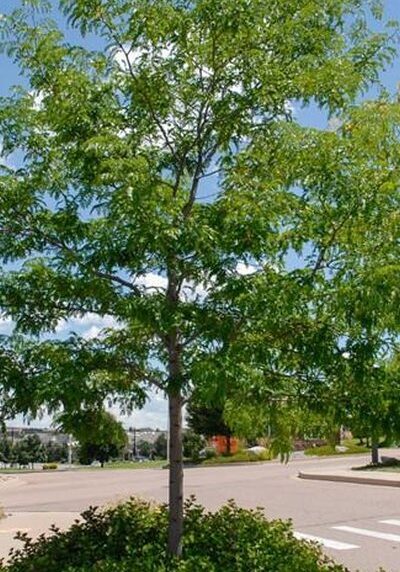
Honey Locust
Gleditsia triacanthos var. inermis6 tracked problems
A popular Colorado shade tree valued for its filtered light, drought tolerance, and fast growth. While adaptable, Honey Locust is vulnerable to leaf-feeding insects, pod gall midge, canker diseases, and root/environmental stress in compacted urban soils.
- 16
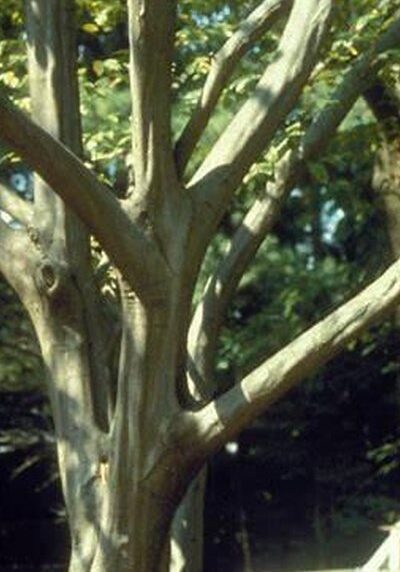
Hornbeam
7 tracked problems
(Carpinus spp.) — European Hornbeam, American Hornbeam, Columnar Hornbeam Hornbeams are elegant, finely textured trees known for their dense foliage, muscular smooth bark, and excellent performance as street or yard trees. In Colorado, they are relatively resilient but may experience leaf spot, anthracnose, aphids, scale, and occasional cankers. They prefer well-drained soil, moderate irrigation, and protection from extreme heat.
- 17
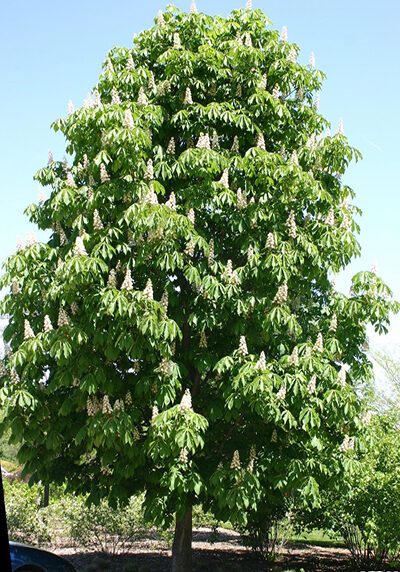
Horse Chestnut
Aesculus hippocastanum — includes hybrid forms and ornamental selections8 tracked problems
Horse Chestnut is known for its large palmate leaves, showy white flower candles, and distinctive conkers. In Colorado, it is highly prone to leaf blotch, leaf scorch, mildew, aphids, borers, and heat stress. It performs best in cooler, irrigated sites and struggles in hot, dry, or compacted soils.
- 18
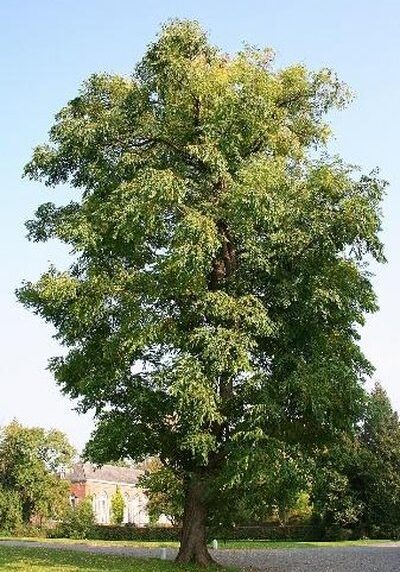
Kentucky Coffeetree
Gymnocladus dioicus — includes cultivars like ‘Espresso,’ ‘Prairie Titan,’ and seedless forms5 tracked problems
Kentucky Coffeetree is one of the toughest and most adaptable shade trees for Colorado. It thrives in poor soils, heat, drought, and urban conditions. It has very few major pests or diseases, making it an excellent low-maintenance choice. Minor issues may include leaf spot, canker, borers (rare), and environmental stress during establishment.
- 19
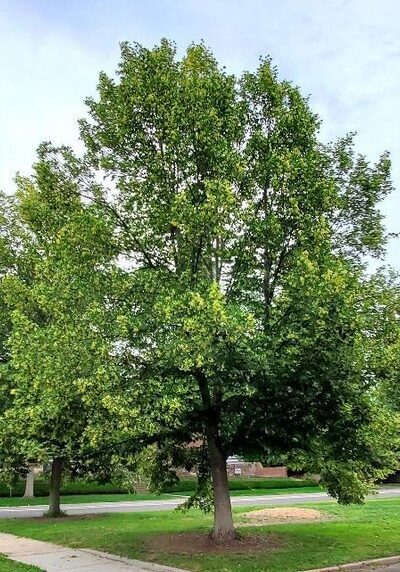
Linden
Tilia cordata – Littleleaf Linden, Tilia americana – American Linden/Basswood7 tracked problems
Lindens are popular shade and ornamental trees in Colorado, prized for their heart-shaped leaves, fragrant flowers, and strong structure. They are generally hardy but susceptible to Japanese beetles, aphids, leaf scorch, Verticillium wilt, and environmental stress, especially in hot, dry urban sites.
- 20
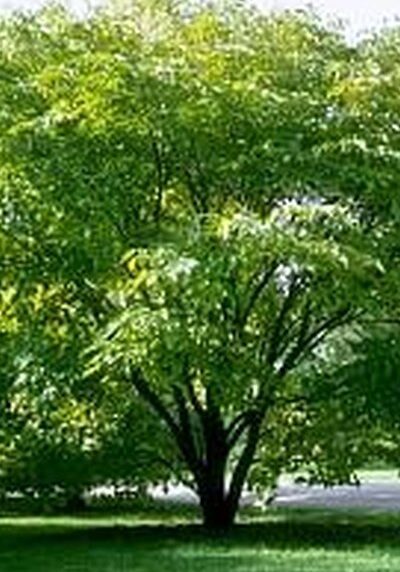
Mulberry
Morus spp. — White, Red, Hybrid & Fruitless Mulberries8 tracked problems
Mulberries are tough, drought-tolerant shade trees known for fast growth, dense canopies, and (on fruiting types) heavy berry production. In Colorado, they are generally durable but can experience bacterial blight, leaf spot, mildew, scale, webworms, bronzing from mites, and environmental stress.
- 21
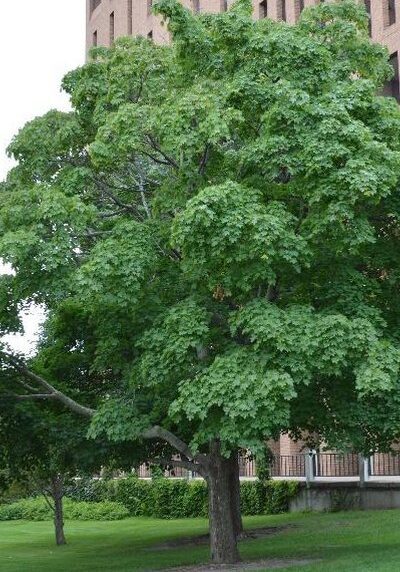
Norway Maple
Acer platanoides — includes cultivars like ‘Crimson King,’ ‘Emerald Queen,’ ‘Deborah,’ ‘Royal Red’8 tracked problems
Norway Maple is a widely planted shade tree known for its dense canopy and deep purple-leaf cultivars. In Colorado, it often struggles with alkaline soils, heat stress, chlorosis, verticillium wilt, girdling roots, and several insect pests. It performs best in cooler, moist, well-drained soils.
- 22
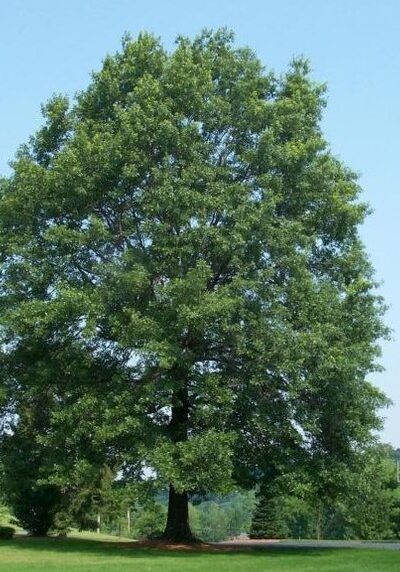
Pin Oak
Quercus palustris7 tracked problems
Pin Oak is a fast-growing oak with a strong central leader and distinctive drooping lower branches. In Colorado, it commonly struggles due to alkaline soils, leading to severe iron chlorosis, decline, and increased susceptibility to pests and diseases. It performs best in deep, acidic, well-drained soils.
- 23
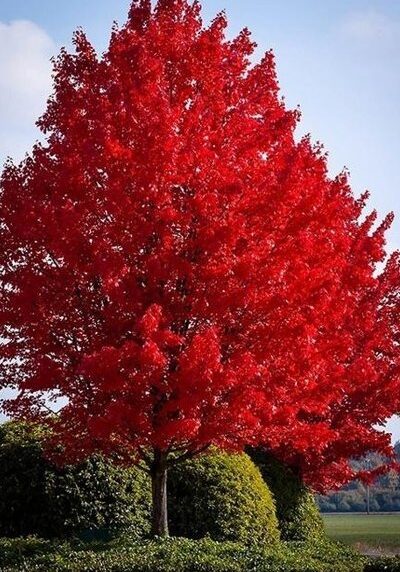
Red Maple
Acer rubrum — includes cultivars like ‘October Glory,’ ‘Autumn Blaze’ hybrid, ‘Red Sunset’8 tracked problems
Red Maple is valued for its vibrant fall color and rounded canopy. In Colorado, true Red Maples often struggle due to alkaline soils, drought, and heat. Hybrids perform better but still face chlorosis, scorch, borers, and leaf diseases.
- 24
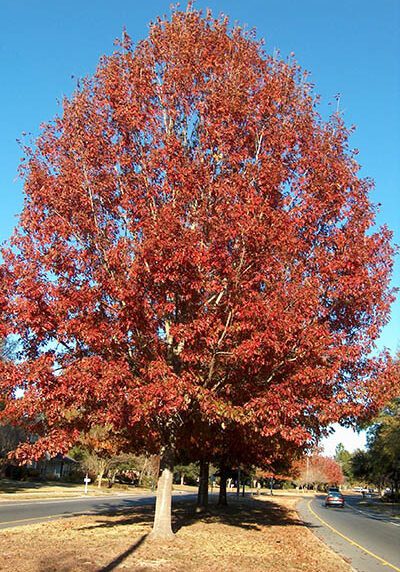
Red Oak
Quercus rubra — Northern Red Oak and related hybrids7 tracked problems
Red Oaks are valued for strong branching, fast growth, and brilliant fall color. In Colorado, they often struggle with alkaline soils, drought, and compacted urban conditions. Common issues include iron chlorosis, borers, scale, leaf diseases, and occasional oak wilt.
- 25
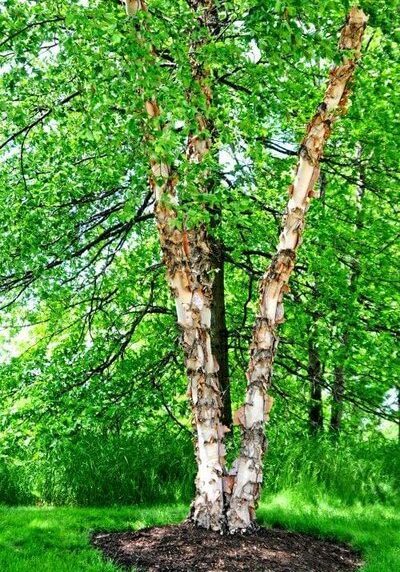
River Birch
Betula nigra — includes ‘Heritage,’ ‘Dura-Heat,’ and clump forms7 tracked problems
River Birch is one of the best-performing birches in Colorado due to its heat tolerance, drought resilience once established, and resistance to bronze birch borer. It adapts well to irrigated landscapes but can still experience leaf spot, chlorosis, aphids, mites, and environmental stress in alkaline or compacted soils.
- 26
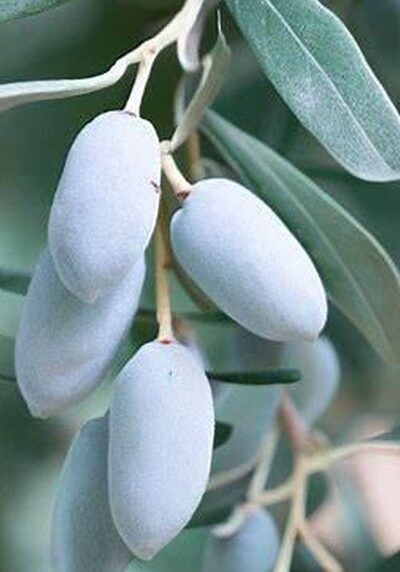
Russian Olive
Elaeagnus angustifolia6 tracked problems
Russian Olive is a drought-tolerant tree historically planted across Colorado but now considered invasive and generally not recommended. While hardy, it is prone to scale, borers, Verticillium wilt, and environmental stress.
- 27
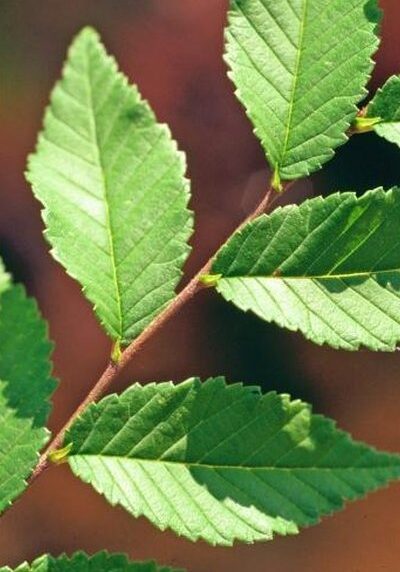
Siberian Elm
Ulmus pumila6 tracked problems
A fast-growing, extremely drought-tolerant tree common in Colorado. Often considered invasive and structurally weak, Siberian Elm is prone to pest pressure, breakage, and long-term decline.
- 28
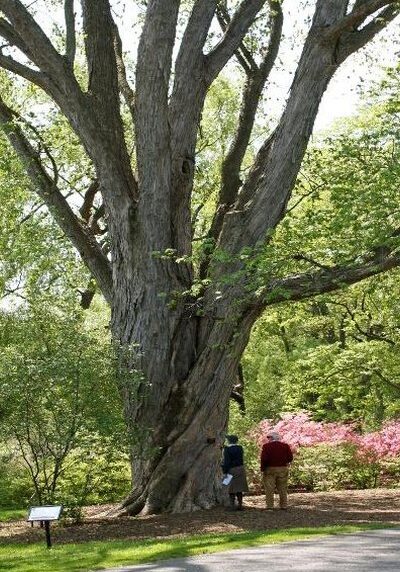
Silver Maple
Acer saccharinum7 tracked problems
Silver Maple is a fast-growing shade tree commonly planted in Colorado, but it is prone to structural weakness, chlorosis in alkaline soils, and several pests and diseases including borers, scale, leaf scorch, and fungal leaf spots.
- 29
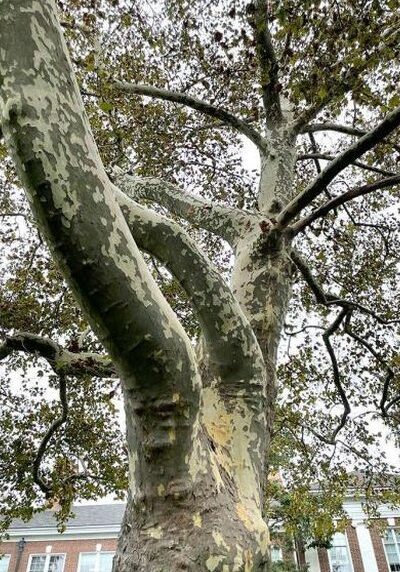
Sycamore
Platanus occidentalis – American Sycamore; Platanus × acerifolia – London Planetree7 tracked problems
Sycamores and London Planetrees are widely planted in Colorado for their massive size, mottled bark, and excellent shade. While generally tough, they are prone to anthracnose, powdery mildew, borers, cankers, and drought-related stress.
- 30
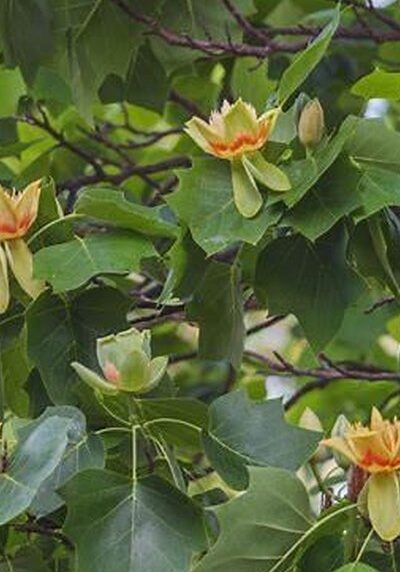
Tulip Tree
Liriodendron tulipifera — also called Yellow Poplar or Tuliptree7 tracked problems
Tulip Tree is a beautiful, stately tree known for its unique leaf shape and spring flowers, but it is not well adapted to most Colorado conditions. It commonly struggles with alkaline soils, heat, and drought, leading to pest issues and early decline.
- 31
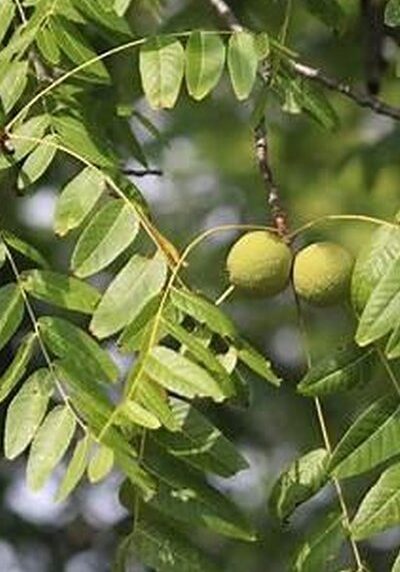
Walnut
Juglans spp. — Black Walnut, English Walnut, Hybrids7 tracked problems
Walnuts provide shade and edible nuts but face serious challenges in Colorado, especially Thousand Cankers Disease, along with insects, fungal issues, and environmental stress.
- 32
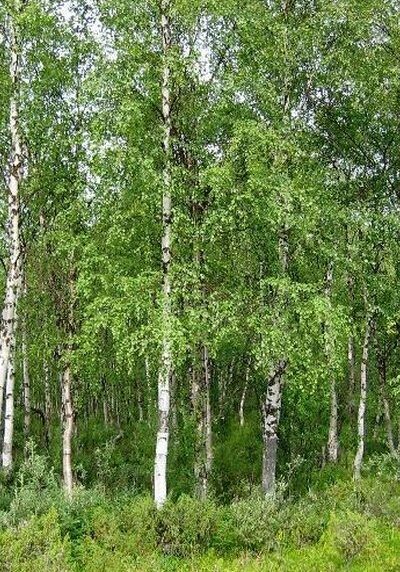
White Birch
Betula pendula — European White Birch / Silver Birch; also applies to other white-bark birches7 tracked problems
White Birch is prized for its white bark but performs poorly in Colorado’s hot, dry, alkaline conditions. It is highly susceptible to borers, chlorosis, and drought stress, making it one of the least adapted birch species for the Front Range.
- 33
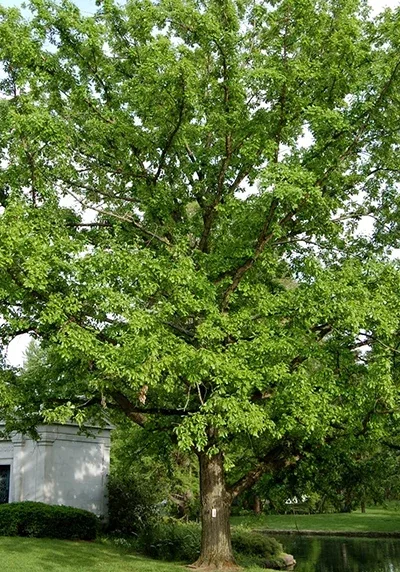
White Oak
Quercus alba — also applicable to white oak hybrids7 tracked problems
White Oaks are long-lived and more tolerant of Colorado’s alkaline soils than red oaks, making them strong landscape choices. While generally resilient, they can experience scale, gall insects, borers, and environmental stress.
- 34
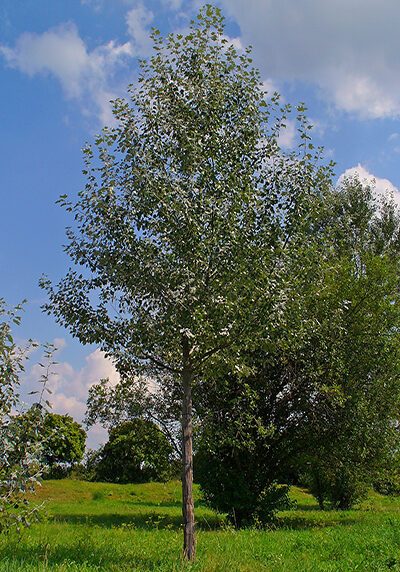
White Poplar
Populus alba — includes cultivars like ‘Bolleana’8 tracked problems
White Poplar is a fast-growing, drought-tolerant tree known for its white-backed leaves, but it is considered high-maintenance and short-lived in Colorado due to pests, disease, and aggressive suckering.
- 35
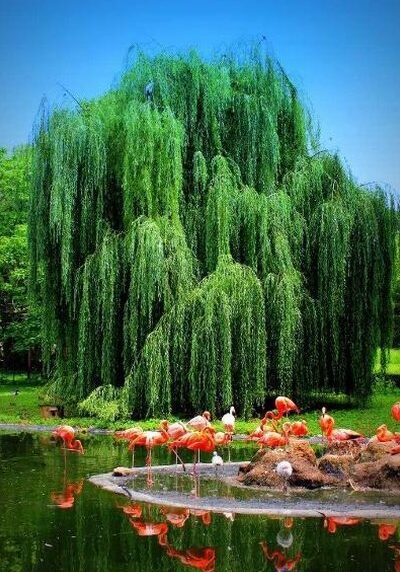
Willow
Salix spp. — includes Weeping Willow, Golden Willow, Globe Willow, and others7 tracked problems
Willows grow quickly and prefer moist soils, making them common in irrigated landscapes. They are attractive but prone to pests, disease, and structural issues, especially in dry or windy sites.
When you want a professional opinion
The Root exists to help you understand your landscape. When a tree needs hands-on evaluation, a Great Western arborist can look at it in person.