Ornamental Trees
Species-by-species pest and disease calendars for ornamental trees on the Colorado Front Range. Each guide covers seasonal timing, symptoms, treatment and when a problem is cosmetic.
15 ornamental trees
- 01
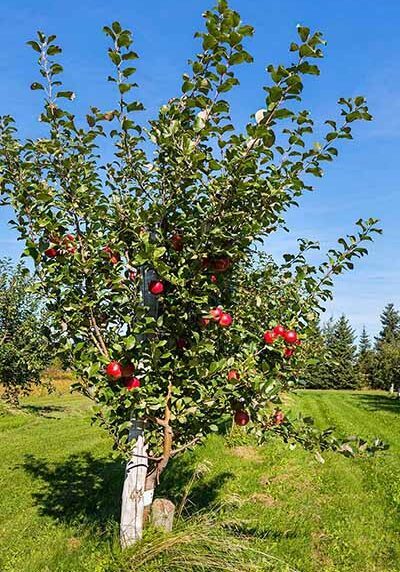
Apple Tree
Malus domestica — includes most fruiting apple varieties7 tracked problems
Apple trees are popular for their fruit and spring blooms but require regular maintenance in Colorado. They are prone to fungal diseases, insect pests, and environmental stress, especially in dense or poorly pruned canopies.
- 02
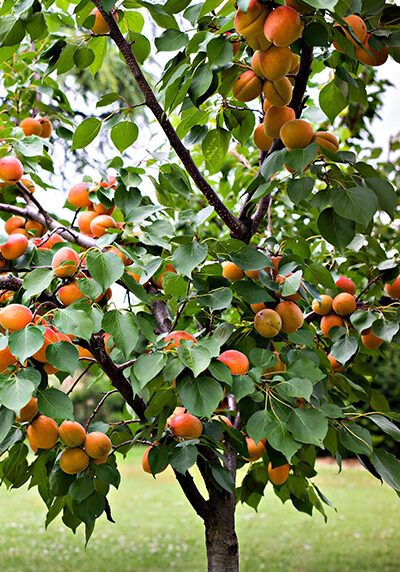
Apricot Tree
Prunus armeniaca7 tracked problems
Apricot trees are prized for early spring blooms and sweet fruit, but they can be challenging in Colorado due to late freezes, canker diseases, borers, and fungal leaf issues. They perform best with good airflow, proper pruning, and consistent irrigation.
- 03
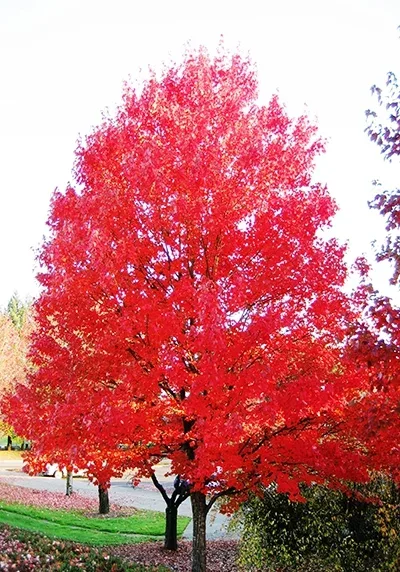
Autumn Blaze Tree
Acer × freemanii ‘Autumn Blaze’7 tracked problems
Autumn Blaze Maple is popular for fast growth and vivid fall color. In Colorado, it performs better than Red Maple but can still struggle with chlorosis, leaf scorch, borers, and structural issues as it matures.
- 04
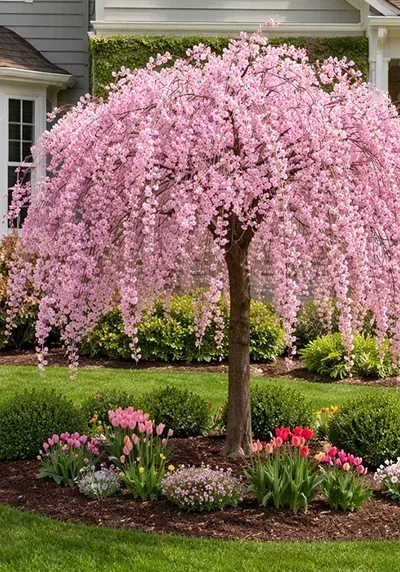
Cherry Tree
Prunus spp. — ornamental and fruiting cherries7 tracked problems
Cherry trees are loved for their spring flowers and ornamental value, but they can be sensitive in Colorado. Common issues include canker, borers, aphids, leaf spot, and environmental stress from drought and heat.
- 05
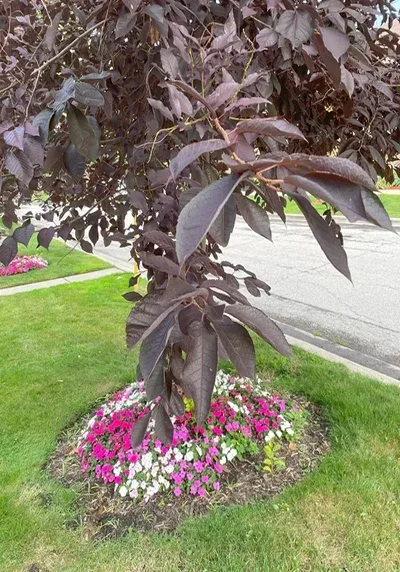
Chokecherry Tree
Prunus virginiana and ornamental cultivars7 tracked problems
Chokecherry is widely used in Colorado landscapes for flowers, foliage color, and berries. It is fairly adaptable but commonly develops black knot, aphids, tent caterpillars, and canker problems.
- 06
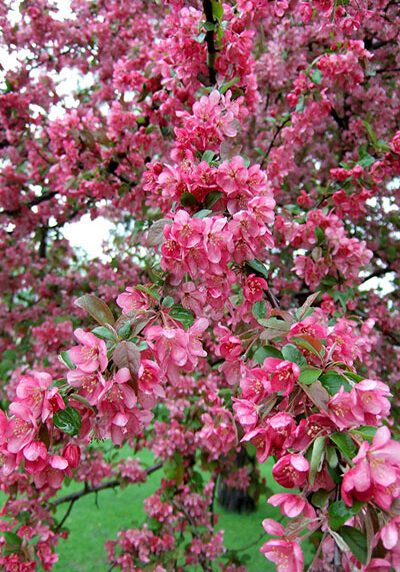
Crabapple Tree
Malus spp. — ornamental crabapple varieties7 tracked problems
Crabapples are popular ornamental trees for spring flowers and colorful fruit, but they can be prone to apple scab, fire blight, cedar-apple rust, aphids, and other common apple-family issues in Colorado.
- 07
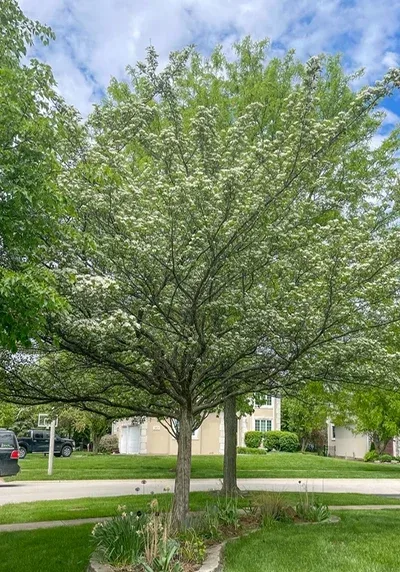
Hawthorn Tree
Crataegus spp.7 tracked problems
Hawthorns are tough ornamental trees with flowers, fruit, and strong wildlife value, but they can develop rust, leaf spot, fire blight, aphids, and scale in Colorado landscapes.
- 08
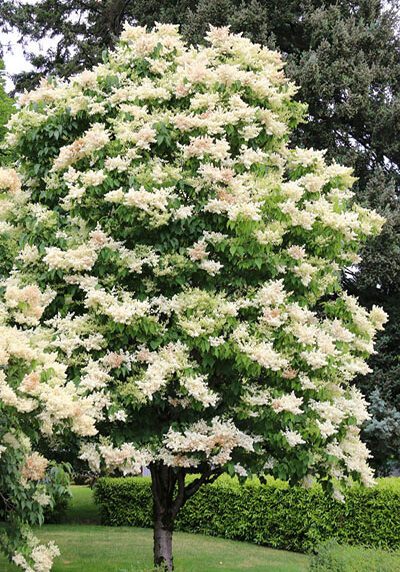
Japanese Lilac Tree
Syringa reticulata7 tracked problems
Japanese Tree Lilac is a strong ornamental choice in Colorado, valued for creamy white summer flowers and good urban tolerance. It is relatively low-maintenance but may develop scale, borers, leaf spots, and stress-related dieback.
- 09
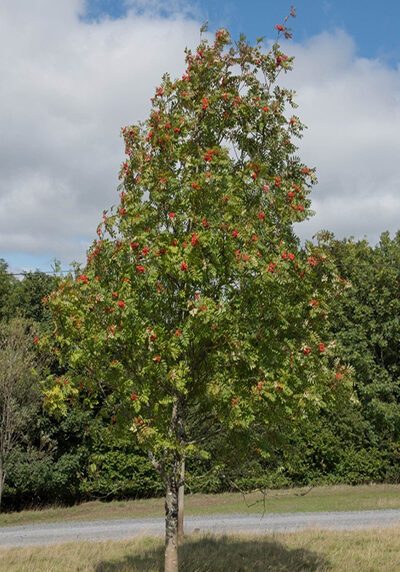
Mountain Ash Tree
Sorbus spp.7 tracked problems
Mountain Ash is valued for berries, flowers, and fall color, but it can struggle in hot Front Range conditions. Common issues include fire blight, borers, aphids, leaf spot, and drought stress.
- 10
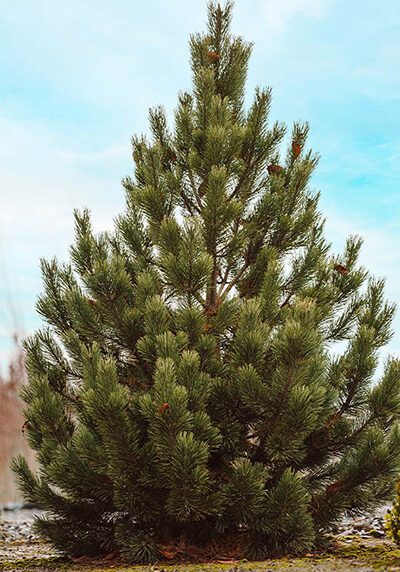
Mugo Pine
Pinus mugo7 tracked problems
Mugo Pine is a dense, shrubby evergreen often used in Colorado landscapes and rock gardens. It is fairly hardy but can develop pine sawfly, needle cast, scale, spider mites, and winter burn.
- 11
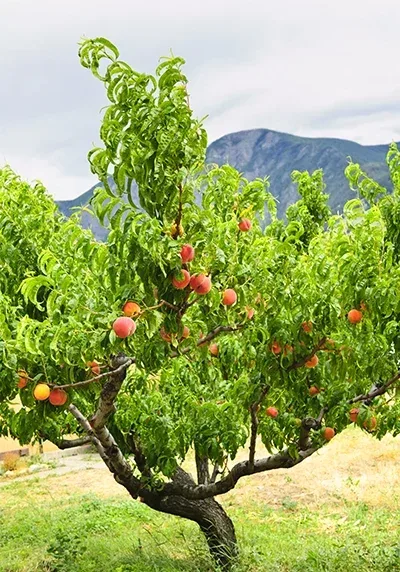
Peach Tree
Prunus persica7 tracked problems
Peach trees can produce well in Colorado with pruning and care, but they are vulnerable to borers, canker, leaf curl, aphids, and late frost injury.
- 12
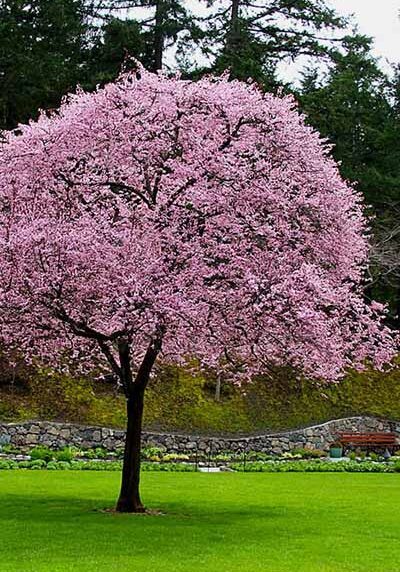
Plum Tree
Prunus spp. — flowering and fruiting plums7 tracked problems
Plum trees are attractive ornamentals and fruit trees, but they can be prone to black knot, canker, borers, aphids, leaf spot, and environmental stress in Colorado conditions.
- 13
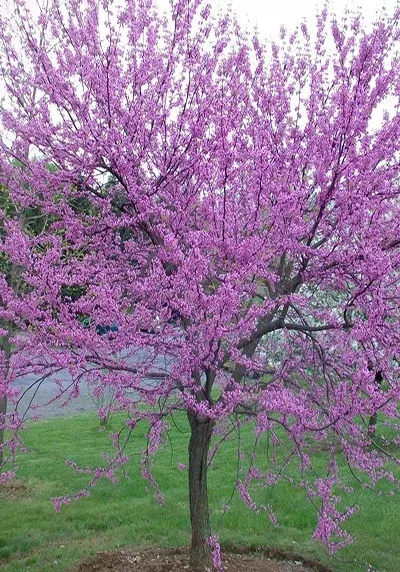
Redbud Tree
Cercis canadensis and cultivars7 tracked problems
Redbuds are valued for striking spring flowers and heart-shaped leaves, but they can be sensitive to drought, canker, Verticillium wilt, and winter injury in Colorado landscapes.
- 14
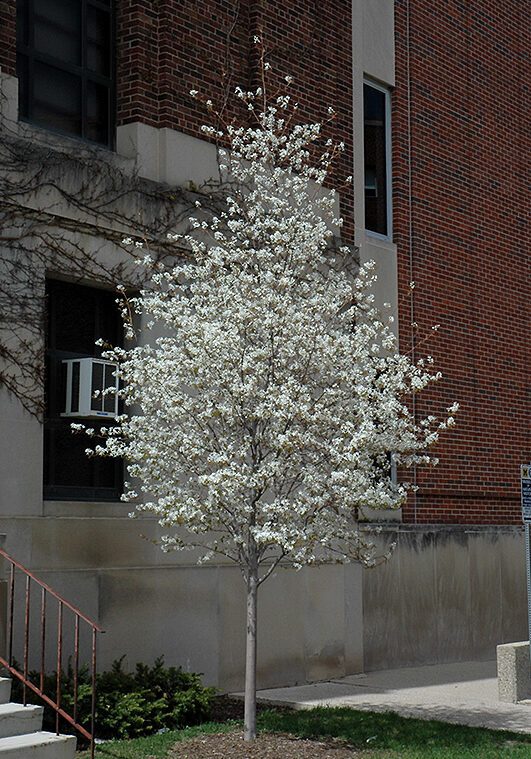
Serviceberry Tree
Amelanchier spp.7 tracked problems
Serviceberries are excellent ornamental trees for flowers, berries, and fall color, but in Colorado they may develop fire blight, rust, aphids, leaf spot, and drought stress.
- 15
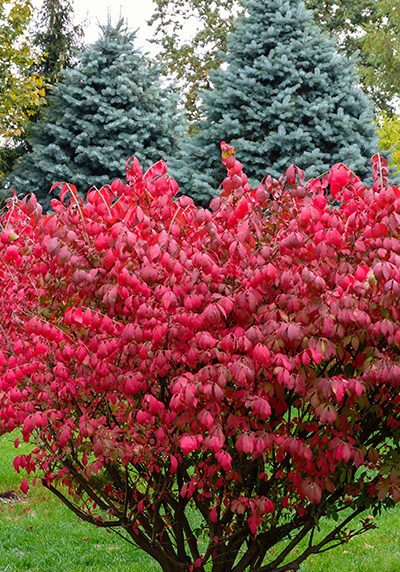
Spindle Tree
Euonymus europaeus and related small tree forms7 tracked problems
Spindle Tree is an uncommon but attractive ornamental small tree valued for fall color and fruit. In Colorado it may experience scale, aphids, powdery mildew, canker, and drought-related stress.
When you want a professional opinion
The Root exists to help you understand your landscape. When a tree needs hands-on evaluation, a Great Western arborist can look at it in person.