
Parkway Maple
Parkway maple is a hardy, upright shade tree valued for its strong central leader, uniform shape, and tolerance of urban conditions. It performs well in Colorado landscapes, making it a reliable choice for streets, parkways, and residential areas where durability and consistent form are important.
Quick specifications
- Mature Height
- 35–45 ft
- Mature Spread
- 25–35 ft
- Growth Rate
- Moderate
- Sun
- Full sun to partial shade
- Water
- Deep, consistent watering during establishment
- Soil
- Monitor soil moisture to avoid shallow rooting
- Hardiness
- 50+ years with proper care
- Genus
- Maple (Acer)
Identification
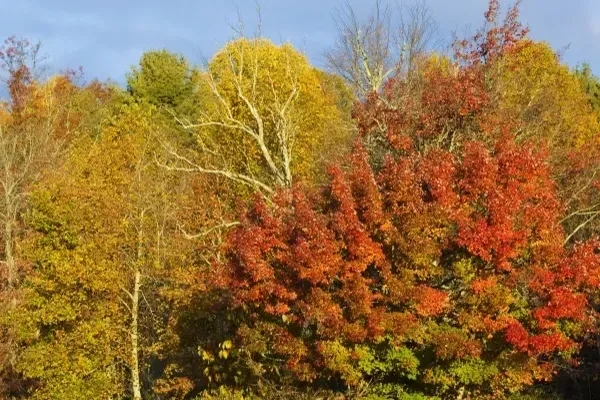
Species
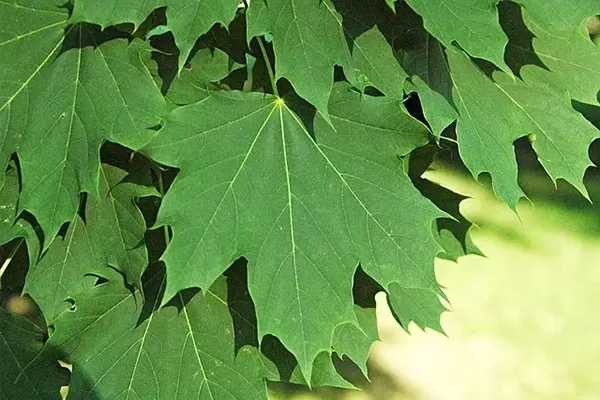
Leaf detail
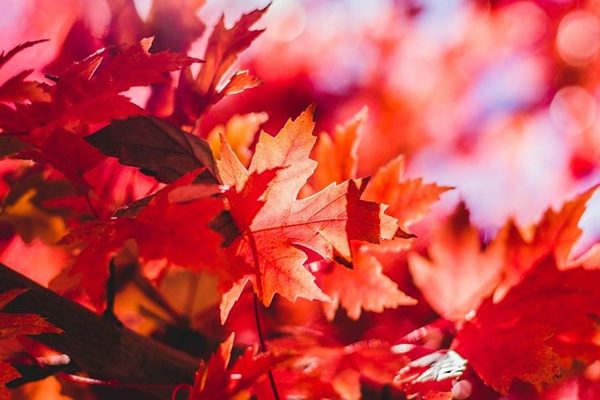
Structure
Overview
Parkway maple is a hardy, upright shade tree valued for its strong central leader, uniform shape, and tolerance of urban conditions. It performs well in Colorado landscapes, making it a reliable choice for streets, parkways, and residential areas where durability and consistent form are important.
Key Characteristics
- Mature Size: 35–45 ft tall | 25–35 ft wide
- Growth Rate: Moderate
- Form: Upright oval, dense canopy
- Fall Color: Yellow to yellow-orange
- Lifespan: 50+ years with proper care
Colorado Growing Conditions
Selected for toughness and uniform street-tree performance
Handles wind, cold, and urban conditions well
Dense canopy provides effective shade
Performs reliably in parkways and residential landscapes
Planting Considerations
- Full sun to partial shade
- Allow adequate space for mature canopy spread
- Deep, consistent watering during establishment
- Monitor soil moisture to avoid shallow rooting
Common Problems
- Surface roots may develop with shallow irrigation
- Leaf scorch during extreme heat or drought
- Dense shade can limit turf growth below canopy
Best Use Scenarios
- Street trees and parkways
- Large residential yards
- Sites needing durable, wind-tolerant shade
Related Services
Related Resources
When you want a professional opinion
The Root exists to help you understand your landscape. When a tree needs hands-on evaluation, a Great Western arborist can look at it in person.